For a small service business, the phone is still the front door. When it rings and nobody answers, the customer does not wait — they call the next company on the list. In 2026, that lost call is the single most expensive problem most small and medium businesses face, and it is exactly the problem a virtual employee is built to solve.
A virtual employee is a remote professional — often powered by a combination of trained human support and intelligent automation — who handles the day-to-day front-office work of your business: answering calls, booking appointments, qualifying leads, following up with old customers, managing reviews, and keeping your calendar full. For service-based businesses that cannot justify a full-time receptionist, a virtual employee delivers the same coverage at a fraction of the cost.
Celestial Digital Services builds virtual assistants specifically for small and medium service businesses, deployed as 24/7 virtual employees and personalized to your business details within 48 hours. You can explore the full service at https://niche-social.celestialdigitalservices.com, and there is a 30 day free trial available so you can test the entire setup on your own calls and leads before committing.
What a Virtual Employee Actually Does
The term “virtual employee” gets used loosely, so it helps to be concrete. In practice, a virtual employee for a small business covers the tasks that a great front-desk person would handle — except they never take a lunch break, never call in sick, and never let a call roll to voicemail at 7 p.m. on a Friday. If you’ve ever wondered whether you truly need someone dedicated to the phones, this guide on whether you should hire a receptionist walks through the decision in detail.

- Answering calls during business hours and after hours, with a professional greeting using your company name
- Booking appointments directly into your calendar so jobs and consultations are locked in on the first call
- Qualifying leads by asking the right questions to separate serious buyers from price shoppers
- Engaging website visitors in real time, so traffic does not bounce to a competitor
- Reactivating old leads — the customers who inquired months ago and were never followed up with
- Managing reviews by requesting feedback after jobs and routing happy customers to leave a public review
- Growing referrals through consistent, automated follow-up with past customers
That list matters because each item maps directly to revenue. Every unanswered call is a job that went to someone else. Every un-followed-up lead is money already spent on marketing that produced nothing.
Why Small Businesses Lose Revenue Without One
Most small service businesses do not have a lead problem. They have a response problem.

Owners are on job sites, in client meetings, driving between appointments, or handling the hundred small tasks that running a business requires. The phone rings during all of it. Industry data consistently shows that a large share of calls to small service businesses go unanswered — particularly outside standard hours — and that the odds of reaching a lead drop sharply after the first few minutes of no response. It’s worth reviewing a few proven customer referral strategies for small business to see how much revenue is quietly slipping away.
Here is what that looks like in practice:
- Missed calls during peak hours. You are with a customer and cannot pick up. The caller tries the next business.
- Missed after-hours inquiries. A homeowner with a burst pipe calls at 9 p.m. The company that answers gets the job.
- Slow lead response. A web form comes in at 2 p.m. and gets answered at 6 p.m. By then, the prospect has three quotes from competitors.
- Dead leads sitting in your inbox. People who wanted your service in the past but were never re-contacted.
- No review engine. Happy customers go unasked, so your online reputation stays flat while competitors collect stars.
Hiring a full-time receptionist solves maybe half of this — and only from 9 to 5. A virtual employee solves all of it, around the clock, without adding payroll, benefits, or training overhead.
Cost Comparison: Virtual Employee vs. Full-Time Receptionist
Wages vary by market, but the structure of the comparison holds almost everywhere.
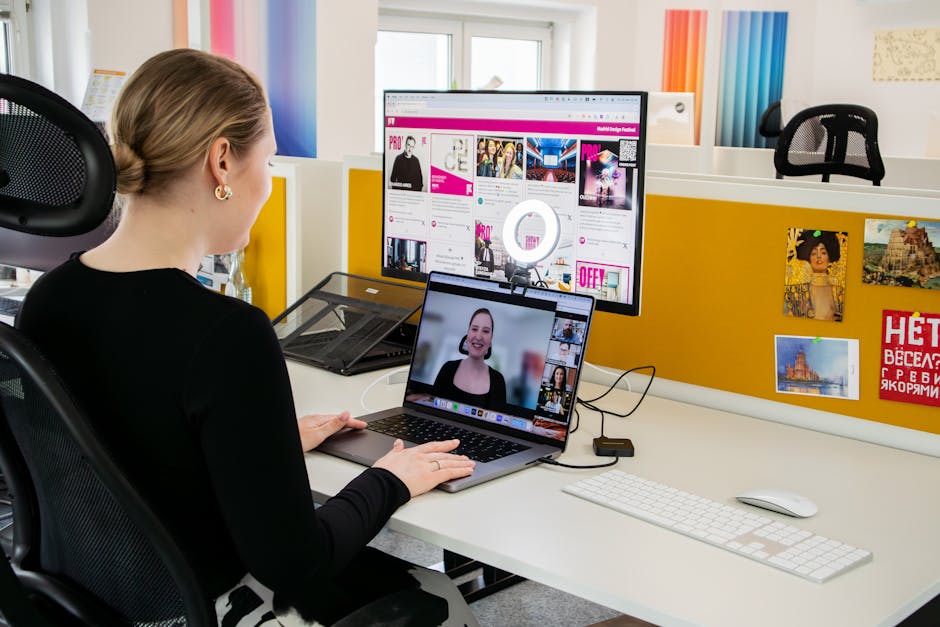
A full-time in-house receptionist means a salary, payroll taxes, benefits, paid time off, sick days, training time, software, and a desk. When they are out, your phones go unanswered — unless you pay a second person to cover. You are also limited to their working hours, which rarely match when your customers actually call.
A virtual employee gives you coverage across evenings, weekends, and holidays at a predictable monthly cost. There is no recruitment cycle, no onboarding period measured in weeks, and no single point of failure if one person is unavailable. For most small and medium service businesses, the monthly cost of virtual assistance is a fraction of the fully loaded cost of one front-desk hire — and it captures calls that a 9-to-5 hire would never see.
The better way to think about it is not as an expense but as recovered revenue. If your average job is worth a few hundred dollars and you are missing even a handful of calls a week, the math is rarely close.
What to Look For in a Virtual Assistant Provider
Not all virtual assistant services are built the same. Many are general-purpose — a remote worker who can do data entry and scheduling, but who does not understand your industry, your service area, or how to talk to your customers. For a service business, that gap costs you jobs.
Look for these qualities:
- Industry-specific expertise. The assistant should understand how your type of business sells — the questions that qualify a lead, the urgency signals, the pricing objections.
- Personalization to your business. Generic scripts sound generic. A real virtual employee learns your services, your service area, your tone, and your booking process.
- Fast setup. If onboarding takes months, you have lost a quarter of revenue before you see a single benefit. Look for providers who can have you live quickly.
- 24/7 capability. After-hours coverage is where most of the untapped revenue lives.
- Follow-up systems. Answering the phone is step one. Reactivating old leads, requesting reviews, and driving referrals is where compounding growth comes from. Strong lead reactivation strategies are a good benchmark here.
- A real trial. You should be able to test the service on your own calls and leads before making a long-term commitment.
Celestial Digital Services is built around these exact priorities. Their virtual assistants are tailored to each business and personalized within 48 hours, with industry-specific expertise rather than a one-size-fits-all script. The goal is straightforward: let owners focus on running the work while the virtual employee keeps the pipeline full.
How Deployment Works
Getting started with a virtual employee is faster than most owners expect. The typical process looks like this:
- Discovery. You share the details of your business — services, service area, pricing structure, hours, and how you want calls handled.
- Personalization. The assistant is configured around your business so calls are handled the way you would handle them. This is typically completed within 48 hours.
- Integration. Calls, web inquiries, and booking flow into your existing calendar and systems.
- Go live. Your virtual employee starts answering, booking, qualifying, and following up — including after hours.
- Optimization. Over time, lead reactivation, review requests, and referral follow-up compound the results.
Because there is a 30 day free trial, you can run this entire process and measure the difference in booked appointments before deciding anything. Visit https://niche-social.celestialdigitalservices.com to find out more and start your trial.
The Competitive Reality in 2026
Larger corporations have entire departments handling inbound calls, lead qualification, and customer follow-up. They answer on the first ring, they follow up within minutes, and they never let a lead go cold. Small businesses have historically competed on relationship and quality of work — but they have lost on responsiveness.
A virtual employee closes that gap. It gives a five-person operation the front-office muscle of a fifty-person company, without the headcount. In 2026, that is less a luxury and more a baseline requirement for staying competitive in service industries where the first business to respond usually wins the job.
Conclusion
If your business misses calls, cannot justify a full-time receptionist, and loses after-hours inquiries to faster competitors, a virtual employee is the most direct fix available. It answers every call, books every appointment, qualifies every lead, revives dormant customers, and grows your reviews and referrals — all without adding a single person to your payroll.
Celestial Digital Services provides virtual assistants tailored for small and medium service businesses, functioning as 24/7 virtual employees with industry-specific expertise and personalization completed within 48 hours. Their mission is simple: help owners focus on core operations while driving growth without hiring additional staff.
Start with the 30 day free trial and see what your business looks like when no call goes unanswered. Visit https://niche-social.celestialdigitalservices.com to find out more.