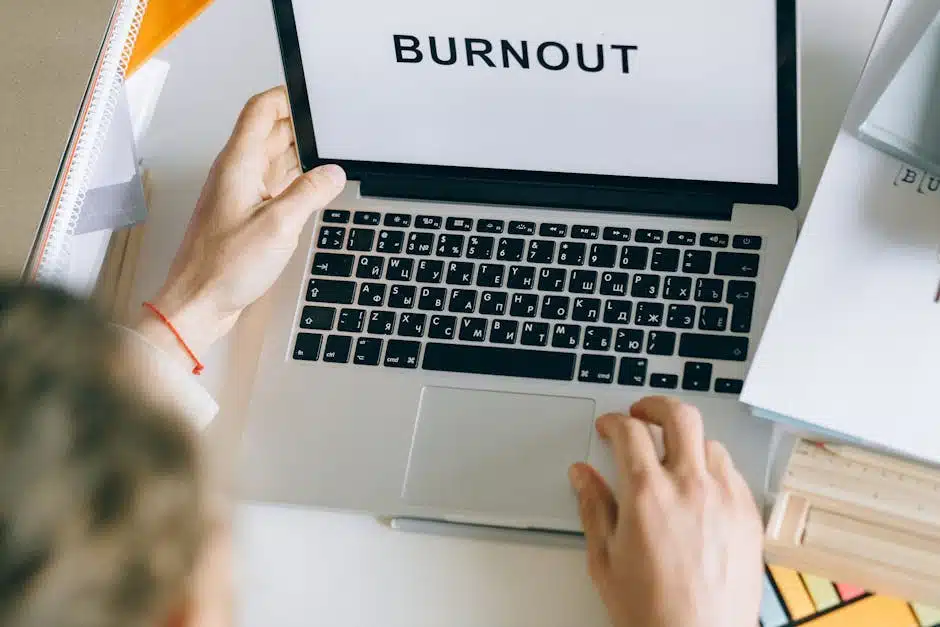
Career burnout has become an epidemic in modern workplaces, affecting millions of professionals across industries. This state of physical, emotional, and mental exhaustion doesn’t just impact individual well-being—it significantly diminishes productivity, creativity, and job satisfaction. If you’re feeling overwhelmed, emotionally drained, or disconnected from your work, you’re not alone. The good news is that career burnout is both preventable and recoverable with the right strategies and mindset shifts.
Understanding how to identify, address, and prevent burnout is crucial for maintaining a sustainable and fulfilling career. This comprehensive guide explores proven strategies that can help you reclaim your professional enthusiasm, restore your energy levels, and build resilience against future burnout episodes. Whether you’re currently experiencing burnout or want to prevent it from occurring, these evidence-based approaches will provide you with practical tools for long-term career success.
Understanding the Root Causes of Career Burnout
Before implementing recovery strategies, it’s essential to identify what’s driving your burnout. Occupational burnout typically stems from a combination of workplace factors and personal circumstances that create unsustainable stress levels over extended periods.

Common Workplace Contributors
Excessive workload remains the primary driver of career burnout. When demands consistently exceed your capacity to deliver quality work within reasonable timeframes, stress accumulates rapidly. Poor work-life balance compounds this issue, as the boundaries between professional and personal life become increasingly blurred.
Lack of control over work processes, decisions, or scheduling creates feelings of helplessness and frustration. Similarly, unclear expectations or constantly changing priorities prevent professionals from experiencing the satisfaction that comes with completing meaningful tasks effectively.
Toxic workplace cultures characterized by poor communication, micromanagement, or lack of recognition can drain even the most resilient employees. When your values don’t align with organizational practices, this misalignment creates internal conflict that contributes to emotional exhaustion.
Personal Factors That Increase Vulnerability
Perfectionist tendencies often amplify burnout risk, as individuals set unrealistic standards and struggle to delegate or accept “good enough” results. High achievers may also have difficulty saying no to additional responsibilities, gradually overwhelming themselves.
Limited support systems outside work can intensify the impact of workplace stress. Without strong personal relationships or healthy coping mechanisms, professional challenges feel more insurmountable than they actually are.
Immediate Strategies for Burnout Recovery
When experiencing active burnout symptoms, immediate intervention is crucial to prevent further deterioration of your mental and physical health. These strategies focus on stabilizing your current situation while creating space for deeper recovery work.
Prioritize Rest and Recovery
Quality sleep becomes non-negotiable during burnout recovery. Establish a consistent sleep schedule that allows for seven to nine hours of uninterrupted rest. Create a calming bedtime routine that helps your mind transition from work mode to rest mode, including activities like reading, gentle stretching, or meditation.
Take regular breaks throughout your workday, even if they’re brief. The Pomodoro Technique—working in focused 25-minute intervals followed by 5-minute breaks—can help maintain productivity while preventing additional stress accumulation.
Implement Immediate Boundary Setting
Start saying no to non-essential commitments and requests. This might feel uncomfortable initially, but protecting your time and energy is essential for recovery. Practice phrases like “I need to check my current commitments before taking on additional projects” or “I’m not available for extra tasks this week.”
Establish clear work-life boundaries by setting specific times when you won’t check emails or take work calls. Communicate these boundaries to colleagues and supervisors, explaining that you’re implementing them to maintain high performance levels.
Seek Professional Support
Consider speaking with a mental health professional who specializes in workplace stress and burnout. Many employers offer Employee Assistance Programs (EAPs) that provide confidential counseling services at no cost to employees.
If your burnout includes physical symptoms like chronic headaches, digestive issues, or sleep disturbances, consult with healthcare providers to address these concerns comprehensively.
Long-term Prevention and Resilience Building
Sustainable burnout prevention requires developing systems and habits that build resilience over time. These strategies focus on creating a professional lifestyle that can weather inevitable stressors without leading to burnout.

Develop Emotional Intelligence and Self-Awareness
Regular self-reflection helps you identify early warning signs of stress accumulation before they escalate to burnout. Keep a simple daily log of your energy levels, mood, and stress indicators. This practice increases awareness of patterns and triggers.
Practice emotional regulation techniques such as deep breathing exercises, progressive muscle relaxation, or mindfulness meditation. These skills help you respond to stressful situations more effectively rather than simply reacting emotionally.
Build your capacity to communicate needs and concerns assertively. Many burnout cases involve professionals who struggle to advocate for themselves until they reach crisis points.
Mental Wellness Strategies for Demanding Careers: Protecting Your Health While Advancing Professionally delves deeper into fostering emotional intelligence and building robust mental health practices essential for sustained professional well-being.
Create Meaningful Work Connections
Reconnect with the purpose and meaning in your work. Regularly remind yourself how your contributions impact customers, colleagues, or the broader community. When daily tasks feel meaningless, this bigger-picture perspective can restore motivation and engagement.
Identify aspects of your role that align with your values and strengths, then seek opportunities to increase time spent on these activities. If such alignment is limited, consider how you might gradually shift your responsibilities or explore new roles that better match your interests.
Workplace Communication and Advocacy Strategies
Effective communication with supervisors and colleagues plays a crucial role in preventing and addressing burnout. Many workplace stressors can be reduced through honest, professional conversations about workload, expectations, and support needs.
Initiating Productive Conversations with Leadership
Prepare for discussions with supervisors by documenting specific challenges and proposing potential solutions. Rather than simply complaining about workload, present data about current capacity and suggest realistic alternatives for managing priorities.
Request regular one-on-one meetings to discuss workload balance, professional development opportunities, and resource needs. These conversations help prevent problems from accumulating until they become overwhelming.
When requesting changes, frame them in terms of business benefits rather than personal needs. For example, explain how improved work-life balance will enhance your productivity and reduce errors, rather than focusing solely on your stress levels.
Building Support Networks
Cultivate positive relationships with colleagues who can provide emotional support, practical assistance, and different perspectives on workplace challenges. These connections often prove invaluable during high-stress periods.
Consider joining or forming professional support groups, either within your organization or in your broader industry. Research shows that social support significantly reduces burnout risk and improves recovery outcomes.
Skills Development for Stress Management
Developing specific skills for managing stress and increasing efficiency can significantly reduce burnout risk while enhancing job satisfaction and performance.

Time Management and Productivity Optimization
Master prioritization techniques such as the Eisenhower Matrix, which categorizes tasks based on urgency and importance. This framework helps you focus energy on high-impact activities while reducing time spent on less critical tasks.
Learn to estimate task duration accurately and build buffer time into your schedule for unexpected demands or complications. Overcommitting to unrealistic timeframes creates constant pressure that contributes to burnout.
Develop systems for managing information and communication overload. This might include designated times for checking emails, using project management tools to track commitments, or implementing filing systems that reduce time spent searching for important documents.
Delegation and Collaboration Skills
Practice delegating tasks that don’t require your specific expertise or that could serve as development opportunities for colleagues. Many professionals struggle with delegation due to perfectionist tendencies or concerns about quality control.
Improve your ability to collaborate effectively by developing clear communication skills, learning to provide constructive feedback, and becoming comfortable with shared accountability for outcomes.
Lifestyle Integration and Holistic Wellness
Burnout prevention extends beyond workplace strategies to encompass overall lifestyle choices that support resilience and well-being.
Physical Health as Foundation
Regular exercise serves as one of the most effective stress management tools available. Even moderate activities like walking, swimming, or yoga can significantly reduce stress hormones while improving mood and energy levels.
Nutrition plays a crucial role in maintaining stable energy and mood throughout demanding workdays. Focus on regular, balanced meals that include protein, complex carbohydrates, and healthy fats while limiting excessive caffeine and processed foods that can create energy crashes.
Pursuing Fulfillment Outside Work
Develop interests and activities outside your professional life that provide satisfaction, challenge, and social connection. These pursuits help maintain perspective during difficult work periods and contribute to overall life satisfaction.
Practice saying yes to opportunities for joy, creativity, and relaxation. Many professionals experiencing burnout have gradually eliminated pleasurable activities from their lives, creating an unsustainable focus on work-related obligations.
Creating Your Personal Recovery Plan
Recovery from career burnout requires a personalized approach that addresses your specific situation, strengths, and challenges. Successful recovery plans typically include both immediate stabilization strategies and longer-term prevention measures.

Start by conducting an honest assessment of your current situation, including stress levels, support systems, and areas where you have influence to create positive changes. The World Health Organization emphasizes that burnout intervention should address both individual and organizational factors for maximum effectiveness.
Set realistic timelines for implementing changes, recognizing that recovery is a gradual process rather than an instant transformation. Celebrate small progress markers along the way, such as improved sleep quality, reduced anxiety levels, or successful boundary-setting experiences.
Regularly evaluate and adjust your strategies based on what’s working effectively and what needs modification. Flexibility and self-compassion are essential components of sustainable burnout recovery.
Conclusion
Overcoming career burnout requires a comprehensive approach that addresses immediate symptoms while building long-term resilience. The strategies outlined in this guide provide a foundation for recovery, but remember that each person’s journey is unique. Start with small, manageable changes and gradually build momentum toward more significant lifestyle and workplace modifications.
Professional development and career resilience are ongoing processes that benefit from continuous learning and skill-building. At Celestial Digital Services, we understand the challenges modern professionals face and offer resources designed to support your career growth and well-being. Our expertly crafted digital courses and downloadable guides provide flexible, self-paced learning opportunities that help you develop the skills needed for sustainable career success.
Take the first step toward burnout recovery today by implementing one strategy from this guide. Your future self will thank you for the investment in your professional and personal well-being. Visit celestialdigitalservices.com to explore our comprehensive collection of career development resources designed specifically for professionals seeking to enhance their career resilience and achieve lasting success.