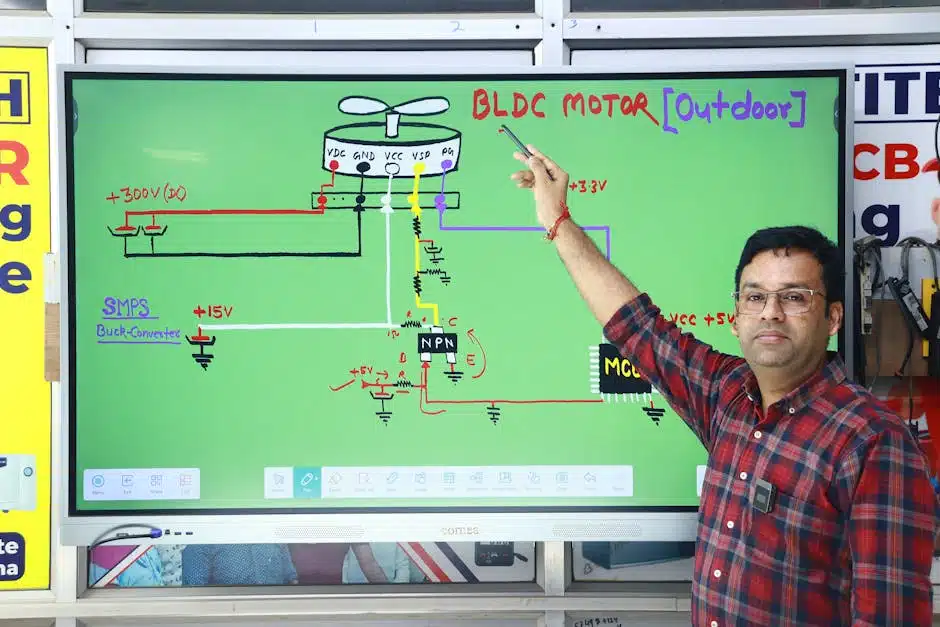
The professional landscape is evolving at breakneck speed, making continuous skill enhancement not just beneficial but essential for career survival and growth. As we navigate through 2026, digital courses for skill enhancement have emerged as the cornerstone of professional development, offering unprecedented flexibility and accessibility for working professionals, career changers, and lifelong learners alike.
Unlike traditional classroom-based training, digital learning platforms provide the freedom to enhance your skillset without disrupting your current professional commitments. This revolution in professional development has transformed how we approach career advancement, making high-quality education accessible to anyone with an internet connection and the drive to succeed.
The Digital Learning Revolution: Why Online Courses Excel
The shift toward digital education has fundamentally changed how professionals acquire new skills and knowledge. Self-paced learning stands as the primary advantage of digital courses, allowing learners to progress through materials at their optimal speed while balancing work, family, and personal commitments.

Digital courses offer several compelling benefits over traditional learning methods:
- Flexibility: Access content 24/7 from any device, fitting learning into your schedule rather than conforming to rigid class times
- Cost-effectiveness: Eliminate travel expenses, accommodation costs, and opportunity costs associated with time away from work
- Personalized learning paths: Choose specific modules and topics that align with your career goals and current skill gaps
- Immediate application: Implement new skills in real-time as you progress through coursework
- Global accessibility: Learn from industry experts worldwide without geographical limitations
The McKinsey Global Institute reports that by 2030, up to 375 million workers worldwide may need to switch occupational categories and learn new skills due to automation and digitalization. This statistic underscores the critical importance of continuous skill enhancement in today’s rapidly changing professional environment.
Essential Skills in Demand for 2026 and Beyond
Understanding which skills to develop is crucial for maximizing the return on your educational investment. The modern workplace demands a combination of technical competencies and soft skills that complement technological advancement rather than compete with it.

Technology and Digital Skills:
- Data analysis and interpretation
- Digital marketing and social media management
- Basic coding and automation tools
- Cybersecurity awareness
- Artificial intelligence and machine learning fundamentals
- Cloud computing platforms
Human-Centered Skills:
- Emotional intelligence and empathy
- Critical thinking and problem-solving
- Leadership and team management
- Communication and presentation skills
- Adaptability and change management
- Creative thinking and innovation
The World Economic Forum’s Future of Jobs Report emphasizes that analytical thinking, creative thinking, and AI and big data are among the fastest-growing skills, while manual dexterity and physical strength are declining in importance.
Types of Digital Learning Formats for Maximum Impact
Digital skill enhancement comes in various formats, each catering to different learning preferences and professional needs. Understanding these options helps you select the most effective approach for your specific situation and learning style.

Interactive Online Courses: These comprehensive programs typically include video lectures, interactive assignments, quizzes, and peer discussions. They’re ideal for in-depth skill development and often include certification upon completion.
Downloadable PDF Resources: These self-contained guides offer quick access to essential information and can be referenced repeatedly. They’re perfect for busy professionals who need immediate access to specific knowledge or templates.
Microlearning Modules: Short, focused lessons that can be completed in 5-15 minutes, perfect for busy schedules and just-in-time learning needs.
Virtual Workshops and Webinars: Live or recorded sessions that provide real-time interaction with instructors and peers, combining the benefits of traditional classroom learning with digital convenience.
Simulation-Based Learning: Hands-on practice in virtual environments that mirror real workplace scenarios, allowing safe experimentation and skill application.
Creating an Effective Personal Learning Strategy
Success in digital skill enhancement requires more than simply enrolling in courses. A strategic approach ensures you maximize learning outcomes while efficiently managing your time and resources.
Assessment and Goal Setting: Begin by conducting an honest assessment of your current skills and identifying specific gaps that align with your career objectives. Set SMART goals (Specific, Measurable, Achievable, Relevant, Time-bound) for your learning journey.
Time Management: Establish a consistent learning schedule that fits your lifestyle. Even 30 minutes daily can yield significant results over time. Use techniques like time-blocking to protect your learning time from other commitments.
Learning Environment Optimization: Create a dedicated space for digital learning that minimizes distractions and maximizes focus. Ensure reliable internet connectivity and have necessary tools readily available.
Active Learning Techniques:
- Take detailed notes and create mind maps to reinforce key concepts
- Practice new skills immediately in real or simulated work environments
- Join online communities and forums related to your learning topics
- Teach others what you’ve learned to solidify your understanding
- Regularly review and refresh previously learned material
Progress Tracking: Maintain a learning journal or digital portfolio that documents your progress, insights, and practical applications. This serves both as motivation and as evidence of your professional development efforts.
Overcoming Common Digital Learning Challenges
While digital courses for skill enhancement offer numerous advantages, they also present unique challenges that can impede learning success. Recognizing and addressing these obstacles proactively enhances your chances of achieving your skill enhancement goals.
Motivation and Accountability: The flexibility of digital learning can sometimes lead to procrastination or abandonment of courses. Combat this by setting clear milestones, finding accountability partners, or joining study groups. Celebrate small wins to maintain momentum throughout your learning journey.
Information Overload: The abundance of available courses can be overwhelming. Focus on quality over quantity by thoroughly researching course providers, reading reviews, and selecting programs that directly align with your specific goals rather than trying to learn everything at once.
Technical Difficulties: Ensure you have reliable technology and backup plans for accessing course materials. Familiarize yourself with the learning platform before starting your course, and don’t hesitate to contact technical support when needed.
Lack of Practical Application: Bridge the gap between theory and practice by immediately implementing new skills in your current role or through personal projects. Seek opportunities to apply learning in low-risk environments before implementing in critical situations.
Isolation and Lack of Networking: Digital learning can feel isolating compared to traditional classroom settings. Actively participate in online discussions, attend virtual networking events, and connect with fellow learners through social media or professional platforms.
Maximizing ROI from Digital Skill Enhancement
Investing in digital skill enhancement should yield tangible returns in terms of career advancement, salary increases, or improved job performance. Strategic approach to learning maximizes these outcomes.
Employer Support and Recognition: Discuss your learning goals with supervisors and HR departments. Many organizations offer tuition reimbursement or professional development budgets that can offset course costs. Document completed courses and newly acquired skills in performance reviews and professional profiles.
Certification and Credentialing: Prioritize courses that offer recognized certifications or credentials that add value to your resume. Industry-specific certifications often carry more weight than general completion certificates.
Building a Learning Portfolio: Create a comprehensive record of your learning achievements, including certificates, project samples, and testimonials. This portfolio serves as compelling evidence of your commitment to professional growth during job interviews or promotion discussions.
According to LinkedIn’s Workplace Learning Report, professionals who invest in skill development are 25% more likely to receive promotions and earn significantly higher salaries than their peers who don’t prioritize continuous learning.
Network Building: Use your learning journey as an opportunity to connect with industry experts, fellow learners, and potential mentors. These connections often prove more valuable than the course content itself in terms of long-term career transition tips and strategies.
Conclusion
Digital courses for skill enhancement represent a powerful tool for professional growth in our rapidly evolving workplace landscape. The combination of flexibility, accessibility, and expert-curated content makes digital learning an indispensable resource for anyone serious about career advancement. Whether you’re a working professional seeking promotion opportunities, an individual navigating career transitions, or an HR manager developing team capabilities, the strategic use of digital learning platforms can accelerate your professional journey.
Success in digital skill enhancement requires more than passive consumption of content. It demands active engagement, strategic planning, and consistent application of newly acquired knowledge. By understanding the various learning formats available, creating structured learning strategies, overcoming common challenges, and maximizing the return on your educational investments, you position yourself for sustained professional success.
As we progress through 2026 and beyond, the professionals who thrive will be those who embrace continuous learning as a fundamental aspect of their career strategy. Digital courses for skill enhancement provide the perfect vehicle for this ongoing development, offering the flexibility to learn while you work and the depth to master essential digital skills for job market success that drive career advancement. The question isn’t whether you can afford to invest in digital skill enhancement—it’s whether you can afford not to in today’s competitive professional landscape.