
In an era where technological advancement and industry disruption occur at breakneck speed, the concept of learning doesn’t end with formal education or even early career development. For senior professionals, the imperative to embrace continuous learning has never been more critical. The rapidly evolving business landscape of 2026 demands that experienced leaders, managers, and specialists adapt their skillsets to remain relevant, competitive, and effective in their roles.
Continuous learning for senior professionals represents a strategic investment in career longevity and organizational value. Unlike traditional models where learning peaked in early career stages, today’s professionals must cultivate a mindset of perpetual growth and adaptation. This shift acknowledges that expertise in one area doesn’t guarantee success across evolving industry demands, technological innovations, or changing market conditions.
Enhanced Leadership Capabilities and Strategic Thinking
Senior professionals who commit to continuous learning develop more sophisticated leadership capabilities that extend far beyond their original expertise. Modern leadership requires an understanding of diverse disciplines, from digital transformation strategies to emotional intelligence, cross-cultural communication, and sustainable business practices.

Through ongoing education, senior leaders gain exposure to contemporary management theories, innovative problem-solving methodologies, and emerging leadership frameworks. This knowledge enables them to navigate complex organizational challenges with greater confidence and strategic acumen. They become better equipped to inspire teams, drive change initiatives, and make informed decisions that consider multiple stakeholder perspectives.
Developing Cross-Functional Expertise
Continuous learning allows senior professionals to break down silos between departments and disciplines. A finance executive who understands marketing analytics can collaborate more effectively with marketing teams. An operations manager who learns about cybersecurity can better protect organizational assets. This cross-functional knowledge creates more versatile leaders who can bridge communication gaps and drive integrated solutions.
The benefits extend beyond individual capability enhancement. Organizations benefit from leaders who can speak multiple “business languages” and facilitate collaboration across traditionally separate departments. This interconnected understanding becomes particularly valuable during times of organizational restructuring, merger and acquisition activities, or digital transformation initiatives.
Technology Adaptation and Digital Literacy
The digital revolution continues to reshape every industry, making technological literacy essential for senior professionals. Artificial intelligence, machine learning, blockchain technology, and advanced analytics tools are no longer confined to IT departments. These technologies influence strategic decision-making, operational efficiency, and competitive positioning across all organizational levels.
Senior professionals who invest in understanding emerging technologies position themselves as forward-thinking leaders rather than obstacles to innovation. They can evaluate technology investments more effectively, identify automation opportunities, and guide their organizations through digital transitions with confidence and credibility.
Staying Relevant in an AI-Driven World
As artificial intelligence becomes more prevalent in professional environments, senior professionals must understand how to leverage AI for career growth rather than fear replacement by them. Continuous learning in this area involves understanding AI capabilities, limitations, and ethical considerations. Leaders who can effectively integrate AI tools into their decision-making processes while maintaining human judgment and emotional intelligence become invaluable organizational assets.
This technological proficiency also enables senior professionals to mentor younger employees more effectively. Rather than creating generational divides, technologically literate senior professionals can bridge gaps between traditional business wisdom and modern digital capabilities.
Career Longevity and Professional Reinvention
The traditional career model of climbing a single ladder within one organization or industry has largely dissolved. Senior professionals today must be prepared for multiple career pivots, whether driven by industry disruption, organizational changes, or personal growth aspirations. Continuous learning provides the foundation for successful career reinvention at any stage.

Professional development activities such as obtaining new certifications, completing advanced degree programs, or mastering emerging skills create opportunities for lateral career moves, consulting opportunities, or entrepreneurial ventures. The importance of continuous learning for career growth has been well-documented by business experts who emphasize its role in maintaining professional relevance and opening new opportunities.
Building Portfolio Careers
Many senior professionals are transitioning toward portfolio careers that combine multiple income streams and professional interests. Continuous learning enables this transition by providing the diverse skill sets necessary to succeed in consulting, board positions, teaching, or entrepreneurial ventures. The ability to adapt and learn new domains quickly becomes a competitive advantage in this flexible career model.
Networking and Professional Relationships
Continuous learning environments, whether formal educational programs or professional development workshops, provide excellent networking opportunities for senior professionals. These settings bring together individuals from diverse industries and backgrounds, creating opportunities for knowledge exchange, collaboration, and relationship building that extend far beyond the learning experience itself.
Senior professionals who engage in learning communities demonstrate intellectual curiosity and growth mindset, qualities that attract other high-performing professionals. These relationships often lead to board positions, consulting opportunities, strategic partnerships, or collaborative ventures that might not have emerged through traditional networking channels.
Mentoring and Knowledge Transfer
Continuous learning enhances senior professionals’ ability to mentor younger colleagues effectively. By staying current with industry trends, technological developments, and emerging best practices, senior professionals can provide more relevant and valuable guidance to developing professionals. This mentoring capability strengthens their organizational value and personal satisfaction while contributing to overall team development.
Cognitive Health and Personal Satisfaction
The benefits of continuous learning extend beyond professional advancement to include significant personal and cognitive advantages. Research consistently demonstrates that engaging in learning activities throughout life contributes to cognitive health, mental acuity, and overall well-being. For senior professionals, this translates to sustained performance, creativity, and problem-solving ability.

Learning new skills and concepts stimulates neural pathways, improving memory, processing speed, and analytical thinking. These cognitive benefits directly impact professional performance, enabling senior professionals to maintain high-level thinking and decision-making capabilities throughout their careers.
Personal Fulfillment and Growth Mindset
Beyond practical benefits, continuous learning provides personal fulfillment and intellectual stimulation that many senior professionals find lacking in routine professional activities. The challenge of mastering new concepts, exploring unfamiliar domains, and achieving learning milestones creates a sense of accomplishment and personal growth that enhances overall job satisfaction.
This personal satisfaction often translates to increased engagement, creativity, and enthusiasm in professional settings. Senior professionals who maintain active learning habits tend to approach challenges with greater optimism and resilience, viewing obstacles as learning opportunities rather than insurmountable problems.
Organizational Value and Competitive Advantage
Organizations benefit significantly from senior professionals who embrace continuous learning. These individuals become internal champions of innovation, change management, and best practice adoption. They can more effectively evaluate industry trends, assess competitive threats, and identify strategic opportunities that require advanced knowledge and analytical capability.
Senior professionals with updated skills and knowledge can also reduce organizational dependency on external consultants for certain projects. Their ability to understand and implement new methodologies, technologies, or processes internally provides cost savings while building organizational capability.
Leading by Example
When senior professionals demonstrate commitment to continuous learning, they model behavior that encourages similar attitudes throughout the organization. This cultural shift toward learning and development can improve employee engagement, retention, and overall organizational performance. Companies with strong learning cultures tend to attract and retain top talent while maintaining competitive advantages in rapidly changing markets.
Implementing Continuous Learning Strategies
Successful continuous learning for senior professionals requires strategic planning and deliberate execution. The most effective approaches combine formal education opportunities with informal learning activities, creating a comprehensive development program that fits within busy professional schedules and competing priorities.
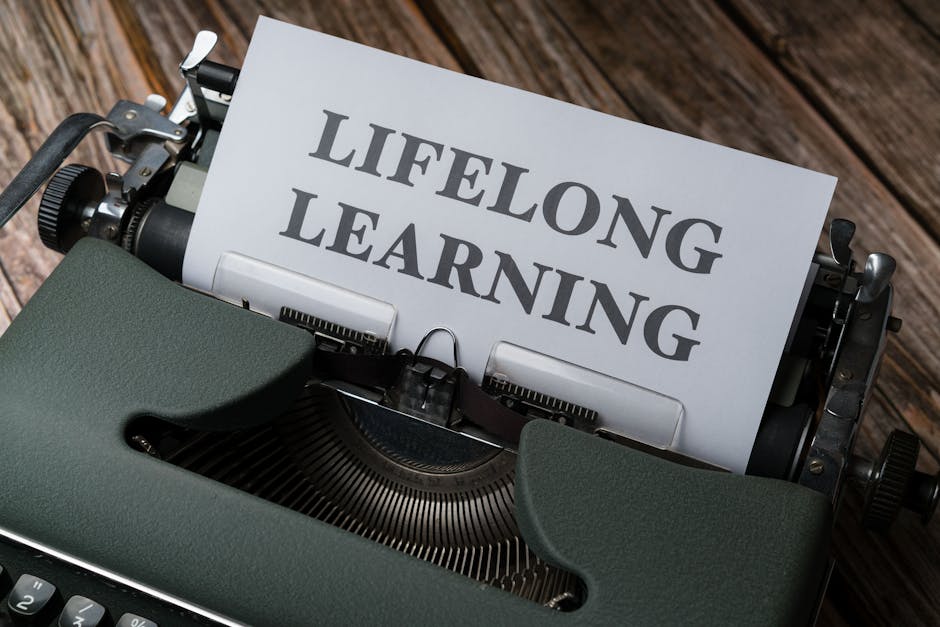
Digital education platforms, professional certification programs, industry conferences, and executive education courses provide structured learning opportunities. However, informal learning through reading industry publications, participating in professional associations, engaging with thought leaders on social media, and seeking mentorship relationships can be equally valuable.
Creating Learning Plans and Goals
Senior professionals should develop specific learning objectives tied to career goals, industry trends, and personal interests. These plans should include both short-term skill development targets and longer-term knowledge acquisition goals. Regular assessment and adjustment ensure that learning activities remain relevant and aligned with evolving professional needs.
According to the Bureau of Labor Statistics, the median employee tenure has changed significantly over recent decades, emphasizing the importance of adaptable skills that transfer across organizations and roles.
Conclusion
The benefits of continuous learning for senior professionals encompass enhanced leadership capabilities, technological adaptation, career longevity, professional relationships, cognitive health, and organizational value. In 2026’s rapidly evolving business environment, these advantages are not merely beneficial but essential for sustained professional success and personal fulfillment.
Senior professionals who embrace continuous learning position themselves as valuable organizational assets while maintaining career flexibility and growth potential. The investment in ongoing education yields returns that compound over time, creating opportunities and capabilities that would not emerge through experience alone.
At Celestial Digital Services, we understand the unique learning needs of senior professionals and provide comprehensive resources designed to support continuous professional development. Our expertly crafted digital courses and downloadable resources offer flexible, self-paced learning opportunities that respect the time constraints and professional responsibilities of experienced practitioners.
Take the next step in your professional development journey by exploring our extensive library of professional development resources. Visit us today to discover how our tailored learning solutions can help you achieve your continuous learning goals and maintain your competitive edge in an ever-evolving professional landscape.