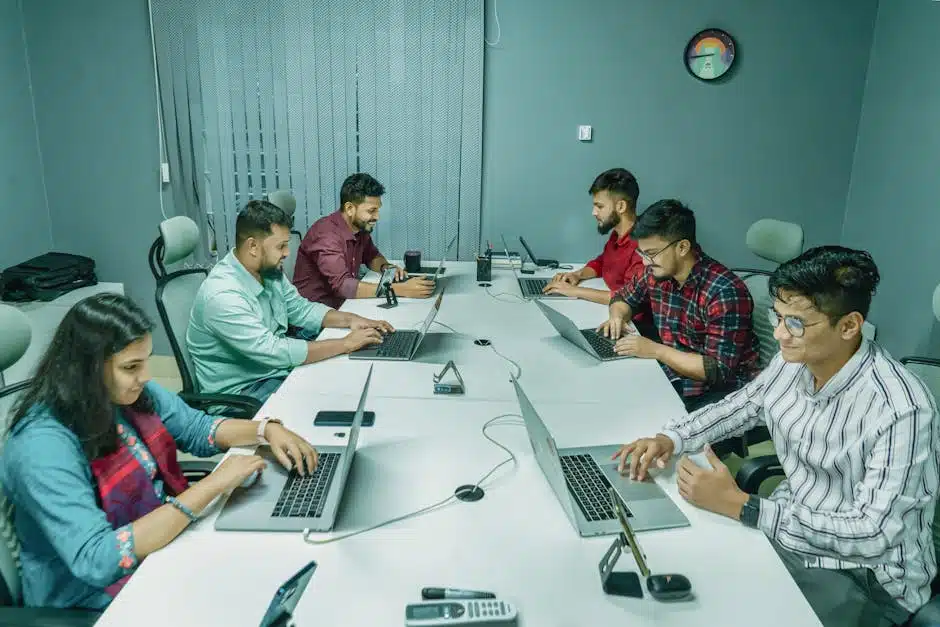
The modern workplace has undergone a dramatic transformation in recent years, demanding a new set of skills and capabilities from today’s professionals. As technology continues to reshape industries and remote work becomes increasingly prevalent, the ability to adapt and continuously develop new competencies has become more critical than ever. Organizations and individuals who embrace skill development are positioning themselves for sustained success in an increasingly competitive and dynamic business environment.
In 2026, the concept of lifelong learning has evolved from a nice-to-have to an absolute necessity. The rapid pace of technological advancement, shifting market demands, and evolving workplace cultures require professionals to constantly update their skill sets to remain relevant and valuable. This comprehensive approach to skill development encompasses both technical competencies and soft skills that enable effective collaboration, leadership, and innovation in today’s diverse and interconnected work environments.
Essential Digital Skills for Today’s Workforce
Digital literacy has become the foundation upon which all other workplace skills are built. Beyond basic computer proficiency, modern professionals must develop competencies in data analysis, digital communication tools, and collaborative platforms. Understanding how to leverage artificial intelligence and automation tools to enhance productivity rather than viewing them as threats is crucial for career advancement.

Cloud-based technologies and software-as-a-service platforms have revolutionized how work gets done, requiring professionals to adapt quickly to new interfaces and workflows. The ability to navigate multiple digital environments, troubleshoot technical issues independently, and integrate various technological solutions into daily workflows has become indispensable across all industries and job functions.
Cybersecurity awareness represents another critical digital skill that every professional must possess. Understanding how to protect sensitive information, recognize potential threats, and follow best practices for digital security is no longer confined to IT departments but extends to every employee who handles digital information.
Communication and Collaboration in Hybrid Work Environments
The shift toward hybrid and remote work models has fundamentally changed how teams communicate and collaborate. Effective virtual communication requires a different skill set than traditional face-to-face interactions, emphasizing clarity, conciseness, and cultural sensitivity across diverse digital platforms.

Modern professionals must master asynchronous communication techniques, learning how to convey complex ideas through written formats while maintaining relationship-building capabilities in virtual settings. Video conferencing etiquette, digital presentation skills, and the ability to facilitate engaging online meetings have become essential competencies for leaders and team members alike.
Cross-cultural communication skills have gained particular importance as organizations increasingly operate with global teams spanning different time zones, languages, and cultural backgrounds. The ability to navigate these differences while maintaining productive working relationships directly impacts project success and career advancement opportunities.
Critical Thinking and Problem-Solving Abilities
In an era of information overload and rapid change, the ability to think critically and solve complex problems has become one of the most valuable skills in the modern workplace. Employers increasingly seek professionals who can analyze situations objectively, evaluate multiple perspectives, and develop innovative solutions to emerging challenges.

Design thinking methodologies and agile problem-solving approaches have become standard practices across various industries, requiring professionals to understand how to approach challenges systematically while remaining flexible and adaptive. The capacity to break down complex problems into manageable components, identify root causes, and develop data-driven solutions is highly valued across all organizational levels.
Research conducted by the World Bank indicates that critical thinking skills will become increasingly important as automation handles routine tasks, leaving humans to focus on complex decision-making and creative problem-solving activities that require nuanced judgment and innovative thinking.
Leadership and Emotional Intelligence
Modern leadership extends far beyond traditional hierarchical management structures, emphasizing emotional intelligence, empathy, and the ability to inspire and motivate diverse teams. Today’s Professional Training for Managers must demonstrate cultural competency, inclusive decision-making practices, and the ability to foster psychological safety within their teams.
Emotional intelligence encompasses self-awareness, self-regulation, empathy, and social skills that enable effective interpersonal relationships and team dynamics. These competencies have become particularly crucial in remote and hybrid work environments where leaders must maintain team cohesion and motivation without regular face-to-face interactions.
The ability to provide constructive feedback, coach team members, and facilitate professional development conversations has become essential for managers at all levels. Modern leaders must also demonstrate adaptability and resilience while guiding their teams through periods of uncertainty and change.
Continuous Learning and Adaptability
The concept of adaptability has evolved to encompass not just the willingness to change but the ability to thrive in ambiguous and rapidly evolving situations. Professionals who develop a growth mindset and embrace continuous learning opportunities position themselves as valuable assets to their organizations.
Effective self-directed learning strategies enable professionals to identify skill gaps, seek out appropriate resources, and measure their progress toward competency goals. This includes understanding how to leverage various learning formats, from formal education and certification programs to peer learning networks and experiential opportunities.
According to the United Nations, the half-life of learned skills is decreasing rapidly, making continuous skill development not just beneficial but necessary for career sustainability. Organizations that support and encourage ongoing learning initiatives often see improved employee engagement, retention, and innovation.
Strategic Implementation of Skill Development Programs
Successful skill development requires strategic planning and systematic implementation rather than ad-hoc learning activities. Organizations and individuals must assess current competencies, identify future skill requirements, and create structured development pathways that align with career goals and organizational objectives.
Personalized learning approaches that accommodate different learning styles, schedules, and career aspirations have proven most effective in achieving sustained skill development outcomes. This includes offering flexible learning formats such as downloadable resources, self-paced online courses, and modular training programs that can be completed alongside work responsibilities.
Measurement and evaluation mechanisms are essential for tracking progress and ensuring that skill development investments produce tangible results. Regular assessments, feedback sessions, and practical application opportunities help reinforce learning and demonstrate competency improvements.
The Organisation for Economic Co-operation and Development emphasizes that effective skill development programs must be aligned with industry trends and future job market demands, ensuring that learning investments remain relevant and valuable over time.
Conclusion
Skill development in the modern workplace represents a fundamental shift from traditional education models toward continuous, adaptive learning approaches that respond to rapidly changing business environments. Success in today’s professional landscape requires a strategic combination of digital literacy, communication excellence, critical thinking capabilities, emotional intelligence, and unwavering adaptability.
Organizations and individuals who prioritize comprehensive skill development initiatives will be better positioned to navigate future challenges, capitalize on emerging opportunities, and maintain competitive advantages in an increasingly complex business world. The investment in continuous learning and professional development is no longer optional but essential for sustainable career success and organizational growth.
As we move forward into an even more dynamic future, the professionals and organizations that thrive will be those who view skill development not as a destination but as an ongoing journey of growth, adaptation, and excellence. The commitment to lifelong learning and continuous improvement will continue to differentiate successful professionals and organizations in the modern marketplace.