
Let’s be honest. The first time you heard ‘SEO,’ you thought it was a type of new diet. Been there, Googled that. As someone who once tried to optimize a website by adding more cat videos (it… didn’t work), I’m here to reveal the simple SEO steps you can take to make your small business impossible to ignore online. Brace yourself for a wild ride through keywords, link chaos, and the magical power of Google reviews—served with a side of humor and zero intimidating jargon.
1. Confessions of a Keyword Klutz: Research Tips Even Your Grandma Could Use
Let’s be honest: keyword research sounds like something you need a PhD—or at least a really big magnifying glass—to figure out. But here’s the truth: SEO strategies for small businesses start with simple, real-life search phrases. If you can order a pizza online, you can master keyword research tips that work. (And if you can’t order a pizza online, call your grandma—she probably can.)
Find Your Unique Keywords—No Crystal Ball Required
Forget about guessing what people type into Google. The secret sauce? Use the words your actual customers use. If you run a bakery, you might dream of ranking for “artisanal sourdough,” but your customers are probably searching “best birthday cake near me.” (Ask me how I know—I spent months optimizing for “sourdough” before realizing everyone wanted cake. Oops.)
Try These Keyword Research Tools (They’re Friendlier Than They Sound)
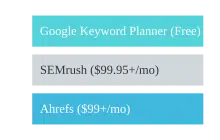
- Google Keyword Planner: It’s free, and it’s like Google whispering secrets in your ear.
- SEMrush: Paid, but packed with features for the serious small business sleuth.
- Ahrefs: Also paid, and great for spying on your competitors’ keyword moves.
Don’t worry—these tools won’t bite. They help you find high-traffic, low-competition keywords that are perfect for your business and your local area. Local keyword research is your golden ticket: add your city, neighborhood, or “near me” to your phrases, and watch your visibility soar. (Did you know local keywords can boost click-through rates by 70%? That’s not just icing on the cake—it’s the whole cake.)
Keyword Stuffing: Just Don’t
Tempted to sprinkle your keyword everywhere? Resist! Google’s not a fan of sites that sneeze out “pizza” every sentence. In fact, keyword stuffing can drop your rankings by up to 30%. Balance is key—write for humans first, search engines second. As SEO legend Rand Fishkin once quipped:
“Good SEO is not about tricking Google. It’s about partnering with Google to provide the best search results for users.”
Free vs. Paid Keyword Research Tools: The Showdown
| Tool | Price | Best For | Local Keyword Support |
|---|---|---|---|
| Google Keyword Planner | Free | Getting started, basic research | Yes |
| SEMrush | $99.95+/mo | Comprehensive analysis, competitor research | Yes |
| Ahrefs | $99+/mo | Backlink & keyword tracking | Yes |
Wild Card: Your Dog’s Name Might Be a Winning Keyword
One last tip: never underestimate what people search for. I once met a pet shop owner whose best keyword was literally her company dog’s name. Stranger things have happened—so keep your eyes (and ears) open for those quirky, high-traffic gems.

2. On-Page Optimization (No Capes Required): Making Your Website Shine
On-page SEO best practices aren’t just for tech wizards or people who wear capes to work (unless you really want to, in which case, you do you). Think of on-page optimization as giving your website a fresh haircut, a new outfit, and maybe a little cologne—so both search engines and humans want to hang out with you.
Titles, Headers, and Meta Descriptions: Speak Human, Not Robot
Let’s be real: nobody wants to read a title that sounds like a ransom note to Google. Instead, write your titles and headers like you’re having a friendly chat. For example:
- Good: “How to Choose the Perfect Cup of Coffee”
- Not-so-good: “Best Coffee Buy Coffee Online Coffee Shop Coffee Beans”
Meta descriptions are your elevator pitch—keep them under 160 characters and make them snappy. A good one can boost your click-through rates (and make you look like you totally have your life together).
Website Speed: Don’t Be a Sloth
If your website loads slower than a sloth on vacation, customers will vanish faster than free donuts in the break room. Google loves fast-loading pages, and so do your visitors. Here’s how to speed things up:
- Compress images (no one needs a 10MB photo of your office plant)
- Limit fancy animations—unless you’re auditioning for a superhero movie
- Use a reliable hosting provider
Data time: The optimal load time is under 2.5 seconds, but the average small business website clocks in at 4.3 seconds. Ouch.

Schema Markup: Give Google the Cheat Codes
Schema markup is like giving Google a set of cheat codes to understand your business. It helps highlight your reviews, business hours, and products right in the search results. Sites using schema markup see 20% more clicks—that’s a lot of extra eyeballs!
<script type="application/ld+json">
{
  "@context": "https://schema.org",
  "@type": "LocalBusiness",
  "name": "Your Coffee Shop",
  "address": {
    "streetAddress": "123 Brew Lane",
    "addressLocality": "Bean City"
  }
}
</script>
No need to be a coder—there are free tools that generate this for you. Just copy, paste, and voilà!
Wild Card: What’s Your Website’s Personality?
If websites had personality types, which would yours be? The serial over-sharer (endless pop-ups, flashing banners, and a 5,000-word homepage) or the mysterious minimalist (so bare, even Google gets lost)? Aim for the happy middle: clear navigation, helpful info, and a dash of charm.
Aleyda Solis says, “Good SEO is not about ranking for every keyword—it’s about ranking for the right ones.”
Remember, on-page optimization isn’t just for techies. Simple tweaks—like better titles, faster images, and a sprinkle of schema markup—can make your small business website shine brighter than your competitor’s neon “Open” sign.

3. Local SEO: Becoming Your Community’s Internet Celebrity (Without the Paparazzi)
Let’s face it: You might not have a Hollywood star on the sidewalk, but with the right local SEO tips, you can be the talk of your town—minus the awkward sunglasses and tabloid drama. Local SEO is all about making your business the first thing neighbors see when they Google “best tacos near me” or “dog groomer open now.” Here’s how you can become your community’s internet celebrity (and keep your sanity).
Claim and Finesse Your Google Business Profile
If you haven’t claimed your Google Business Profile yet, stop reading and do it now. (Seriously, I’ll wait.) A complete, well-managed profile can boost your local rankings overnight. Add up-to-date info, irresistible photos (bonus points for cute pets or mouthwatering food), and—most importantly—respond to every customer review. Yes, even the one from your cousin Jerry who still owes you $20.
Data doesn’t lie: Complete Google Business Profiles get 7x more clicks. Businesses with 25+ reviews appear 60% more in local packs. That’s not just visibility—that’s celebrity status.
Mastering Customer Reviews SEO: Your Secret Fan Club
Reviews aren’t just for stroking your ego—they’re a powerhouse for customer reviews SEO. Responding to reviews (the good, the bad, and the “meh”) shows you care and keeps your business top-of-mind. Plus, it boosts your local search ranking and customer retention by 12%.
| Review Impact | Local Search Ranking | Your Mental Health |
|---|---|---|
| More Reviews (25+) | Appear 60% more in local packs | Bragging rights at family dinners |
| Responding to Reviews | Improves ranking & retention by 12% | Feel like a local hero |
| Positive Vibes | Builds trust & clicks | Boosts your mood (most days) |
Personal anecdote: I once got a five-star review just for putting out a bowl of water for dogs. Sometimes, it’s the little things that make you a legend in your zip code.
Landing Pages for Local SEO: Give Them the Neighborhood Scoop
Generic landing pages are so last season. Create landing pages for local SEO that ooze local flavor—think maps, directions, and fun facts about your neighborhood. Sprinkle in local keyword research (“best bagels in Brooklyn,” anyone?) and watch your conversion rates jump by 30%.
- Add local landmarks or events (“We’re right next to the big blue duck statue!”)
- Share neighborhood tidbits (“Ask us about the secret menu only locals know.”)
- Keep your business info updated everywhere online—consistency is key.
Joy Hawkins put it perfectly: “When it comes to local SEO, the devil is in the details—fill out every field and care about the little things.”
Wild Card: Your Local Celebrity Nickname
If your business had a celebrity nickname in local search results, what would it be? “The Bagel Boss of Brooklyn”? “Queen of Clean Carpets”? Go ahead, own it. Your community is ready to roll out the red carpet—no paparazzi required.

4. From Zero to Hero: Link Building & Content That Connects (Even If You’re Shy)
Let’s face it—if the thought of “link building strategies” makes you want to hide behind your potted plant, you’re not alone. But here’s the good news: you don’t have to be a networking ninja or a PR rockstar to earn powerful backlinks. In fact, the best links for small businesses are built on genuine relationships, not cold emails that land in the digital void. As Brian Dean wisely puts it,
“The best links aren’t given—they’re earned through real relationships and unique content.”
So, how do you go from zero to hero in the world of content marketing for small businesses? Start by swapping stories with your neighbors (yes, even the ones who borrow your lawnmower). Share your business journey, partner with local organizations, and guest post on community blogs. When you focus on building trust and connections, the links will follow—naturally and organically.
Data-Driven Content: Your Secret Weapon
Want to catch the eye of local press and industry sites? Lean into data-driven content. Customer case studies, quirky neighborhood stories, and “Did You Know?” fun facts about your business or town are irresistible to journalists and bloggers alike. Not only do they showcase your expertise, but they also give people a reason to talk about—and link to—you. In fact, case studies referenced by local media outlets can increase backlinks by a whopping 40%!
Lights, Camera, Backlinks!
If you’re feeling brave (or just want to avoid writing another blog post), video content is your new best friend. Short clips showing off your services, behind-the-scenes tours, or customer testimonials can boost your backlink opportunities by 60%. And don’t forget those glowing user reviews—testimonials not only build trust but also increase engagement rates by 25%. Sprinkle in a few fun facts or “meet the team” stories, and you’ve got a share magnet on your hands.
Table: Most Effective Content Types for Backlinks in 2025
| Content Type | Backlink Boost |
|---|---|
| Video Content | +60% |
| Case Studies (Local Media) | +40% |
| Industry Site Features | 3x SEO Value |
| User Testimonials | +25% Engagement |
Unleash Your Inner Content Superhero
Now, picture your business as a superhero. What’s your signature content superpower? Maybe it’s your knack for hilarious customer stories, your jaw-dropping before-and-after photos, or your ability to turn boring data into must-share infographics. Whatever it is, lean into it! Content marketing for small businesses isn’t about being everywhere—it’s about being memorable where it matters most.
Remember, link building is about trust, not just numbers. Local PR, guest blogging, and customer stories will always outperform a cold pitch. Focus on your unique strengths, tell your story, and let your content connect. Who knows? You might just become the neighborhood’s next SEO superhero—cape optional.
TL;DR: You don’t have to be a tech wizard to climb Google’s ranks. Focus on the basics: meaningful keywords, a snappy website, local shoutouts, and consistent reviewing. Toss in a dash of link magic and content that sounds like you—not a robot. Voilà, you’re cooking with SEO gas!