The restaurant industry is experiencing a digital transformation that’s reshaping how establishments interact with customers. At the forefront of this revolution is the AI receptionist technology, which promises to enhance customer experience while streamlining operations. As we move deeper into 2026, restaurants worldwide are discovering the immense potential of artificial intelligence to handle customer inquiries, manage reservations, and provide seamless service around the clock.
An AI receptionist for restaurants is more than just a technological upgrade—it’s a strategic investment that can significantly impact your bottom line. By automating routine customer interactions, restaurants can reduce operational costs, minimize human error, and ensure consistent service quality. This comprehensive guide explores how AI receptionist technology is transforming the restaurant landscape and why forward-thinking establishments are making this transition a priority.
Understanding AI Receptionist Technology in Restaurant Operations
AI receptionist systems represent a sophisticated blend of natural language processing, machine learning, and customer relationship management technologies. These systems are designed to handle multiple customer touchpoints simultaneously, from phone calls and online reservations to social media inquiries and website chat functions.
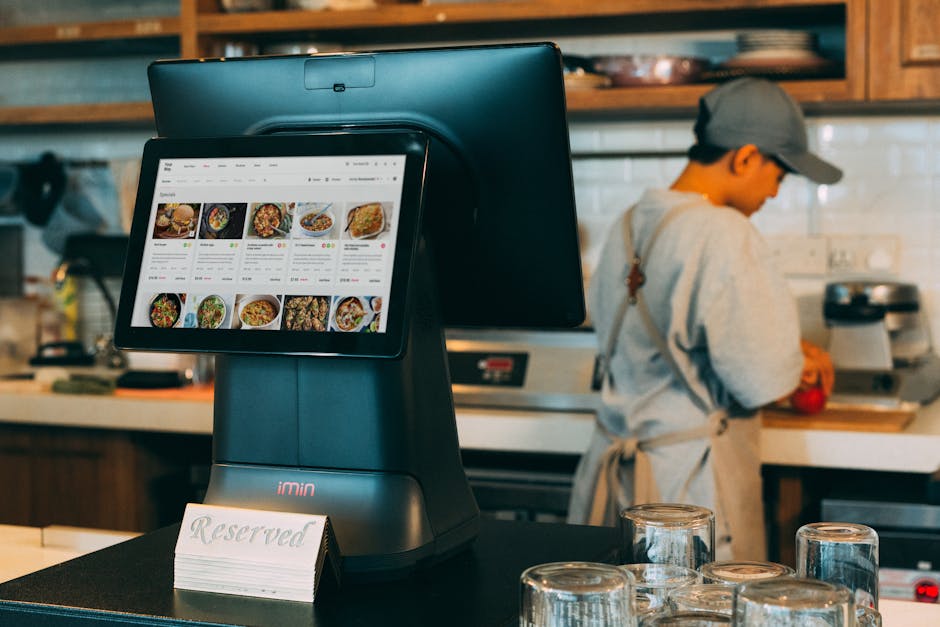
The technology works by analyzing customer requests in real-time, understanding context and intent, and providing appropriate responses or actions. For restaurants, this means the AI can take reservations, answer questions about menu items, provide directions, explain dietary options, and even handle special requests with remarkable accuracy.
Modern AI receptionist systems are trained on vast datasets of restaurant-specific scenarios, enabling them to understand industry terminology, peak hours, seasonal variations, and customer preferences. This specialized training ensures that interactions feel natural and helpful rather than robotic or frustrating.
Key capabilities include:
- Multi-language support for diverse customer bases
- Integration with existing reservation systems and POS platforms
- Real-time inventory awareness for accurate menu information
- Personalized recommendations based on customer history
- Automatic follow-up communications and feedback collection
The Business Case for AI Receptionists in Restaurants
The financial implications of implementing AI receptionist technology extend far beyond the initial investment. Restaurant owners are reporting significant improvements in operational efficiency, customer satisfaction scores, and revenue generation through strategic AI deployment.

Labor costs represent one of the most significant expenses for restaurants, often accounting for 25-35% of total operating costs. AI receptionists can handle multiple customer interactions simultaneously, reducing the need for dedicated phone staff during peak hours. This allows human employees to focus on higher-value activities like food preparation, in-person customer service, and restaurant management.
Revenue optimization is another critical benefit. AI systems never miss calls, don’t take breaks, and maintain consistent service quality regardless of time or day. This 24/7 availability means restaurants can capture reservation requests and customer inquiries that would otherwise be lost during busy periods or after hours.
Studies indicate that restaurants using AI receptionist technology see an average 15-25% increase in reservation bookings and a 30% reduction in no-show rates due to automated confirmation and reminder systems.
Customer data collection and analysis capabilities provide restaurants with valuable insights into dining patterns, preferences, and behavior. This information enables targeted marketing campaigns, menu optimization, and personalized service offerings that drive customer loyalty and repeat business.
Implementation Strategies and Best Practices
Successful AI receptionist implementation requires careful planning and strategic execution. The transition should be gradual, allowing staff and customers to adapt to the new system while maintaining service quality standards.

The first step involves conducting a comprehensive audit of current customer service processes. This includes analyzing call volumes, peak interaction times, common inquiry types, and existing pain points in the customer journey. Understanding these patterns helps determine the most effective AI configuration and integration points.
Staff training is crucial for successful implementation. Employees need to understand how the AI system works, when to intervene in customer interactions, and how to leverage AI-generated insights for improved service delivery. This training should emphasize collaboration between human staff and AI technology rather than replacement scenarios.
Essential implementation considerations:
- Integration with existing reservation and POS systems
- Customization of AI responses to match brand voice and tone
- Backup protocols for complex situations requiring human intervention
- Regular monitoring and optimization based on performance metrics
- Customer feedback collection and system refinement
Testing phases should include both internal staff evaluations and controlled customer interactions. This allows for system refinement and staff familiarization before full deployment. Many successful implementations begin with limited functionality, gradually expanding capabilities as confidence and expertise grow.
Overcoming Common Challenges and Concerns
Despite the clear benefits, many restaurant owners express concerns about AI receptionist implementation. Understanding and addressing these challenges is essential for successful adoption and long-term success.
The most common concern involves customer acceptance and satisfaction. Many customers worry about losing the personal touch that defines quality restaurant service. However, properly implemented AI systems enhance rather than replace human interaction by handling routine inquiries efficiently, allowing staff to focus on creating memorable dining experiences.
Technical complexity and maintenance requirements can seem daunting, particularly for smaller establishments. Modern AI receptionist platforms are designed with user-friendly interfaces and comprehensive support systems. Many providers offer managed services that handle technical maintenance, updates, and optimization, allowing restaurant owners to focus on their core business operations.
Cost considerations often influence decision-making, but the return on investment typically becomes evident within months of implementation. The combination of reduced labor costs, increased reservation capture, and improved customer satisfaction usually generates positive cash flow that justifies the initial investment.
Data privacy and security concerns are legitimate considerations in today’s digital landscape. Reputable AI receptionist providers implement robust security measures, including encryption, secure data storage, and compliance with relevant privacy regulations. Restaurant owners should thoroughly evaluate security protocols and ensure alignment with their data protection requirements.
Future Trends and Advanced Features
The AI receptionist landscape continues evolving rapidly, with new features and capabilities emerging regularly. Understanding these trends helps restaurants make informed decisions about technology investments and long-term planning.
Voice recognition and natural language processing improvements are making AI interactions increasingly sophisticated and human-like. Advanced systems can detect emotional cues, adjust communication styles based on customer preferences, and handle complex, multi-part requests with remarkable accuracy.
Predictive analytics integration allows AI receptionists to anticipate customer needs and proactively address potential issues. For example, the system might automatically suggest alternative reservation times during peak periods or recommend menu items based on previous orders and current preferences.
Integration with health and wellness platforms is becoming increasingly important as diners seek restaurants that accommodate their lifestyle choices. AI systems can provide detailed nutritional information, suggest modifications for dietary restrictions, and even connect with fitness tracking applications to support customer health goals, similar to how health organizations like the CDC provide physical activity guidance.
Multi-channel integration ensures consistent customer experience across all touchpoints, from phone calls and website interactions to social media and mobile applications. This unified approach creates seamless customer journeys that enhance satisfaction and build brand loyalty.
Measuring Success and ROI
Implementing key performance indicators and measurement systems is essential for evaluating AI receptionist effectiveness and optimizing system performance. Success metrics should align with overall business objectives and provide actionable insights for continuous improvement.
Primary metrics include call answer rates, reservation conversion rates, customer satisfaction scores, and average handling times. These measurements provide direct insight into system performance and customer experience quality. Additionally, tracking no-show rates, repeat customer percentages, and average order values helps assess broader business impact.
Operational efficiency metrics focus on staff productivity improvements, cost savings, and resource allocation optimization. Comparing pre-implementation and post-implementation data provides clear evidence of AI receptionist value and helps identify areas for further enhancement.
Customer feedback collection through surveys, online reviews, and direct communication provides qualitative insights that complement quantitative metrics. This feedback helps identify improvement opportunities and ensures the AI system continues meeting customer expectations and preferences.
Regular analysis and system optimization based on performance data ensure continued success and maximum return on investment. Many AI receptionist platforms include built-in analytics dashboards that simplify monitoring and provide actionable recommendations for enhancement.
Conclusion
AI receptionist technology represents a transformative opportunity for restaurants seeking to enhance customer service, optimize operations, and drive sustainable growth. As we progress through 2026, establishments that embrace this technology gain significant competitive advantages in an increasingly digital marketplace.
The key to successful implementation lies in understanding that AI receptionists complement rather than replace human service. When properly deployed, these systems handle routine tasks efficiently while enabling staff to focus on creating exceptional dining experiences that build customer loyalty and drive business success.
Restaurant owners considering AI receptionist implementation should focus on choosing systems that align with their specific needs, brand values, and customer expectations. With proper planning, professional training for managers, and execution, AI receptionist technology can become a valuable asset that enhances both operational efficiency and customer satisfaction.
The future of restaurant customer service is increasingly digital, and AI receptionists will play a central role in shaping these interactions. Forward-thinking establishments that invest in this technology today position themselves for long-term success in an evolving industry landscape.