
Picture this: It’s midnight, you’re locked out of your online account, and a suspiciously peppy chatbot offers helpful tips in five different languages. You sigh. You laugh. Maybe you cry a little—but, let’s be honest, aren’t today’s chatbots shockingly good? Welcome to the fast-moving, occasionally cheeky world of conversational AI, where bots are more cultural shapeshifters than boring support lines. Let’s unpack what makes today’s (and tomorrow’s) chatbots tick—and why they probably know your favorite pizza topping.
From Stiff Scripts to Stand-Up Comics: NLP Gets an Upgrade
Remember when talking to a chatbot felt like arguing with your printer? You’d type, “I need help!” and it would reply, “I am printer. Do you want to print?” Well, those days are fading fast, thanks to the latest Natural Language Processing (NLP) updates. In 2025, chatbots are trading their stiff scripts for punchlines and empathy—sometimes even at the same time. Yes, your digital assistant might finally get your sarcasm (or at least pretend to).
Let’s talk about NLP Updates 2025. These aren’t your grandma’s language models. Today’s chatbots can spot when you’re frustrated (“WHY IS THIS NOT WORKING?!”), when you’re just being dramatic (all caps, anyone?), and even when you’re dropping subtle hints that you’d rather not discuss pineapple on pizza. Research shows that NLP is the secret sauce behind this transformation, making bots better at context, emotion, and, occasionally, a well-timed dad joke.
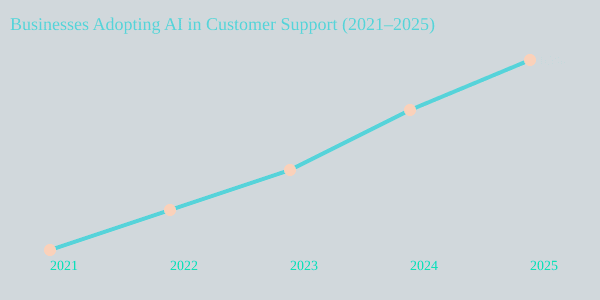
And it’s not just about making you laugh (though, let’s be honest, we all need a bot that can roast us back). AI Customer Experience is getting a major glow-up. With smarter NLP, bots can now personalize their responses, understand slang, and even decipher your midnight rants about why your package hasn’t arrived yet. Studies indicate that AI-powered Support is on the rise, with a whopping 65% of businesses planning to expand their use of conversational AI by 2025. That’s a lot of bots—possibly more than the number of pineapple-on-pizza debates happening on the internet right now.
Here’s a real slice of life: A major pizza chain’s chatbot used to suggest pineapple to everyone. (Scandalous, I know.) But after a few rounds of customer-sentiment analysis—powered by cutting-edge NLP—it learned to avoid recommending pineapple to anyone who typed “pineapple is a crime.” Now that’s AI Customer Interaction with taste (literally).
Why does this matter? Because as businesses race to adopt smarter chatbots, the need for bots that “get” us—our moods, our slang, and our pizza preferences—is skyrocketing. The conversational AI market is projected to hit $14 billion by 2025, and with NLP at the helm, bots are becoming less like robots and more like that witty friend who always knows what to say (and when to stop talking).
‘The next evolution of NLP bridges empathy and efficiency—chatbots with both heart and brains.’ – Dr. Priya Sharma
So, next time you chat with a bot and it cracks a joke or skips the pineapple suggestion, remember: it’s not magic, it’s just really good Natural Language Processing. And maybe a little bit of AI wizardry.
Personalization: When Chatbots Remember Your Last Pizza Order
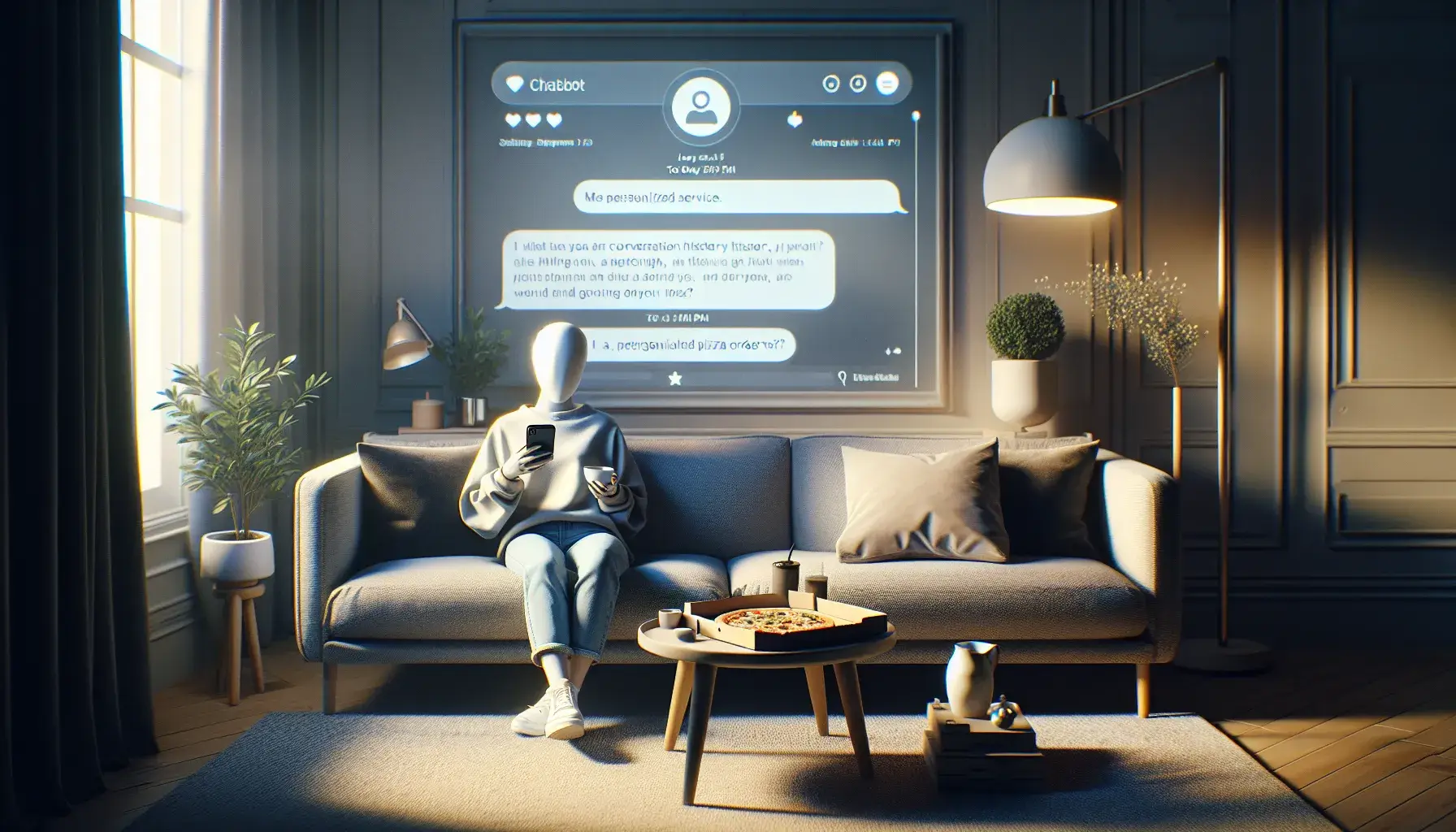
Let’s be honest: nothing says “the future is now” quite like a chatbot that remembers your last pizza order—extra cheese, no pineapple (unless you’re feeling wild). Welcome to the age of Personalization in Chatbots, where your digital assistant is basically your quirky sidekick, therapist, and pizza sommelier rolled into one. If you’ve ever wondered why your chatbot seems to know you better than your own friends, well, you’re not alone. It’s not magic—it’s the latest in Engaging Chatbot Design Trends.
Gone are the days of robotic, one-size-fits-all responses. Today’s chatbots are getting personal. Sometimes it’s a little creepy (yes, it remembers your midnight snack confessions), but mostly, it’s helpful. Whether you’re ordering food, booking a flight, or just venting about your day, these bots are tuned in to your quirks, complaints, and—most importantly—your stance on pineapple as a pizza topping.
Why Personalization Matters (and Why Your Chatbot Knows Your Dog’s Name)
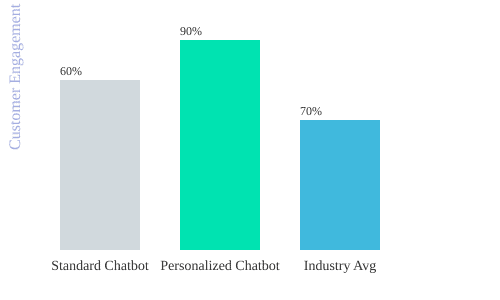
Personalization isn’t just a buzzword—it’s the secret sauce behind AI-driven Customer Experience. Research shows that personalized chatbots are linked to better customer retention and engagement. Brands investing in this trend are reporting higher ROI, and let’s face it, who wouldn’t want a chatbot that cracks a joke just when you need it most?
- Real recommendations: No more generic “Can I help you?” Instead, you get “Welcome back, Alex! Ready for your usual latte?”
- Lightning-fast answers: Your chatbot already knows your preferences, so it skips the small talk and gets straight to the point.
- Custom jokes: Because who doesn’t want a bot that can roast you about your last-minute shopping habits?
And it’s not just about making you feel special (though, let’s admit, it’s nice). AI Customer Satisfaction is on the rise, with brands seeing improved metrics from personalized chatbot recommendations. Studies indicate higher engagement and satisfaction scores in these tailored interactions. In fact, personalization is now a headline trend, especially in retail and food delivery—because nothing says “we care” like remembering you’re allergic to gluten.
‘A personalized bot makes customers feel special—and makes brands unforgettable.’ – Lola Chen
Data Spotlight: Personalization Pays Off
Still not convinced? Here’s a quick data drop: Personalization in chatbots improves customer retention, boosts engagement, and delivers higher satisfaction scores. Brands are seeing real results—better metrics, happier customers, and, yes, more pizza orders remembered.
So, next time your chatbot remembers your favorite order or cracks a joke about your online shopping spree, just remember: it’s not stalking—it’s personalization. And in the witty world of conversational AI, that’s exactly what keeps you coming back for more.
Show Me the Money: The Conversational AI Market Is Booming
Ready for a little sticker shock? The Conversational AI Market Size is about to make your jaw drop—research shows it’s set to hit a whopping $14 billion by 2025. That’s not just pocket change; that’s “maybe I’ll finally buy that robot vacuum” kind of money. And if you’re wondering where all that cash is coming from, just look around: chatbots are popping up everywhere, from the bank app you accidentally locked yourself out of, to the hotel lobby where a digital concierge offers you extra towels (and, sadly, zero gossip).
Let’s talk Chatbot Adoption Rates. If you thought chatbots were just a passing fad, think again. Studies indicate adoption rates are set to nearly double between 2022 and 2025. That’s right—soon, you’ll be chatting with bots more than your own family (don’t worry, bots never ask why you’re still single). Major industries are leading the charge: retail, healthcare, banking, and hospitality are all rolling out bots faster than you can say “customer service hold music.”
Why the sudden chatbot craze? Simple: AI Cost Reduction. Businesses are saving big—like, “let’s skip the budget meeting and just buy everyone lunch” big. Forecasts estimate up to $80 billion in contact center labor costs will be slashed by 2026. If you stacked all those saved coins, you could probably reach the moon, or at least finally afford that airport lounge coffee (which, let’s be honest, still wouldn’t taste great).
It’s not just about saving money, though. Industry Applications of AI are expanding at warp speed. Retailers use chatbots to recommend products (and, occasionally, to judge your taste in shoes). Banks deploy bots for everything from balance checks to fraud alerts. Healthcare? Bots are booking appointments and reminding you to take your vitamins. Even travel and hospitality are in on the action—imagine a chatbot that can rebook your flight faster than you can say “overbooked.”
And let’s not forget about AI-driven CX Solutions. Customer experience is the new battleground, and bots are the secret weapon. With advancements in natural language processing (NLP) and personalization, bots are getting smarter, wittier, and—dare we say—almost charming. In fact, 65% of businesses plan to expand their AI use in customer support by 2025. Who knew your next favorite customer service rep would be made of code?
‘Conversational AI isn’t just a technical shift—it’s an economic revolution for digital business.’ – Marcus Bell
| Key Metric | Value | Timeline |
|---|---|---|
| Conversational AI Market Size | $14 billion | By 2025 |
| Chatbot Adoption Rates | Nearly double | 2022–2025 |
| Contact Center Labor Cost Savings | Up to $80 billion | By 2026 |
So, next time you’re chatting with a bot about your missing package or asking for a hotel upgrade, just remember: you’re not just talking to a machine—you’re participating in a multi-billion-dollar revolution. And hey, maybe one day, bots will even help you find that elusive airport coffee that’s actually worth the price.

Beyond Customer Service: Wild Use Cases and Chatbot Surprises
Let’s be honest: when you first heard about chatbots, you probably pictured a polite little helper answering “Where’s my order?” at 2 a.m. But the world of conversational AI has gone full sci-fi, and now these bots are doing everything short of walking your dog (although, give it time). The industry applications of AI are exploding, and you’re about to see just how wild—and occasionally weird—things can get.
First up, the AI in Healthcare Industry is having a moment. Gone are the days of waiting on hold with elevator music while your blood pressure rises. Now, healthcare bots not only book your appointments but also offer a soothing digital pat on the back. Feeling anxious about your checkup? Some bots can even send you calming messages—or, if you’re lucky, a GIF of a kitten in a stethoscope. Research shows these bots are driving serious ROI, with healthcare organizations reporting faster patient response times and fewer missed appointments. (And, let’s face it, fewer grumpy patients.)
Meanwhile, the AI in Financial Sector is quietly revolutionizing the way you interact with your money. No more judgmental looks from a teller when you ask about your third coffee purchase of the day. Financial chatbots keep your accounts in check, answer your questions, and even offer budgeting tips—without ever rolling their digital eyes. Studies indicate that banks and fintech companies are seeing major gains in efficiency and customer satisfaction, with chatbot ROI numbers climbing higher than your credit card bill after Black Friday.
Travelers, rejoice! AI-driven CX solutions are making missed connections and delayed flights a little less painful. Imagine this: your flight is delayed (again), but instead of waiting in line with 200 other tired travelers, a chatbot rebooks you in seconds. No small talk, no “let me check with my supervisor,” just pure, unfiltered efficiency. The travel and hospitality sectors are leading the charge in chatbot innovation, and honestly, it’s about time someone made airports less stressful.
But wait, there’s more. The wildest use cases are still emerging, thanks to generative AI and agentic AI. Picture a chatbot therapist that, upon detecting your mood, prescribes a playlist of dog videos and motivational memes. Would you trust it? I would. In fact, as Dr. Ashley Kim quips:
“The versatility of conversational AI surprises even its creators—what’s next? Piano lessons?”
Across banking, retail, healthcare, and travel, the industry applications of conversational AI are multiplying faster than you can say “machine learning.” And the numbers back it up: businesses are seeing real, measurable improvements in customer experience, operational efficiency, and—most importantly—ROI. Check out the table below for a quick snapshot of how chatbots are shaking things up:
| Sector | Chatbot ROI Gains | Innovative Deployments | AI-Powered Support Increases |
|---|---|---|---|
| Healthcare | High | Appointment booking, patient triage | Significant |
| Financial | Very High | Account management, fraud alerts | Major |
| Travel | Strong | Flight rebooking, itinerary updates | Notable |
So, next time you chat with a bot, remember: you’re not just talking to a customer service rep—you might be getting a glimpse of the future (or at least a really good dog video). The witty world of conversational AI is just getting started, and if the trends are any clue, we’re all in for some delightful surprises.
TL;DR: To sum up: Conversational AI is getting smarter, wittier, and more personal—changing customer experiences across every industry. If you’re not paying attention, your competition (or your own chatbot) definitely is. Join the conversational revolution!