
Landing your dream job requires more than just an impressive resume. The interview stage is where candidates either secure their future or watch opportunities slip away. Research shows that 92% of hiring managers consider interview performance as the primary factor in their final decision. Yet, most job seekers approach interviews with minimal preparation, relying on hope rather than strategy.
Successful interview preparation techniques for success go beyond rehearsing common questions. They involve comprehensive research, strategic storytelling, and psychological preparation that positions you as the ideal candidate. Whether you’re entering the job market for the first time or transitioning to a new career path, mastering these proven techniques will dramatically improve your interview success rate and help you stand out in competitive job markets.
Research-Driven Company Intelligence Gathering
The foundation of effective interview preparation techniques for success begins with thorough company research that extends far beyond browsing the company website. Start by analyzing the organization’s recent news coverage, press releases, and industry positioning to understand their current challenges and strategic direction.

Dive deep into the company’s social media presence, particularly LinkedIn updates and employee posts. This provides insight into company culture, recent achievements, and ongoing projects. Pay special attention to the backgrounds of your potential team members and direct supervisors, as this information helps you tailor your responses to align with their experience and interests.
Study the job description meticulously, identifying keywords and required competencies that should feature prominently in your responses. Create a document mapping your experiences to each requirement, ensuring you can demonstrate relevant skills through specific examples. This preparation technique prevents the common mistake of providing generic answers that fail to address the role’s unique demands.
Industry research is equally crucial. Understand current trends, challenges, and opportunities within the sector. This knowledge allows you to discuss how your skills can contribute to the company’s success within the broader industry context, demonstrating strategic thinking that impresses hiring managers.
Strategic Story Development Using the STAR Method
Compelling storytelling distinguishes memorable candidates from forgettable ones. The STAR method (Situation, Task, Action, Result) provides a framework for crafting impactful responses that showcase your achievements and problem-solving abilities effectively.
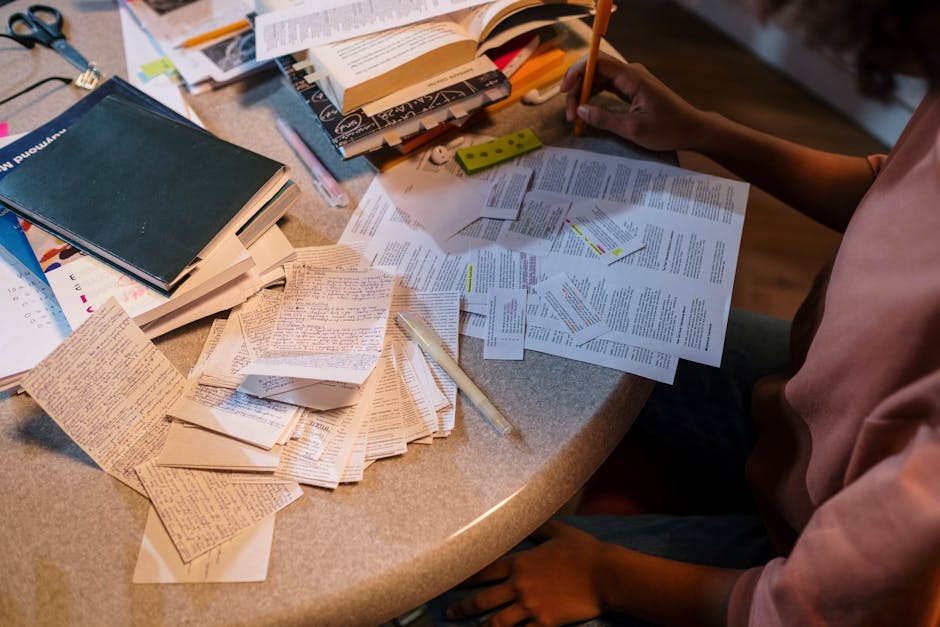
Begin by identifying 8-10 diverse experiences that demonstrate various competencies relevant to the target role. For each story, clearly define the situation you faced, the specific task or challenge you needed to address, the actions you took to resolve the issue, and the quantifiable results you achieved.
Strong interview preparation techniques for success involve practicing these stories until they flow naturally while remaining authentic. Avoid memorizing scripts word-for-word, as this creates robotic delivery. Instead, focus on key points and transitions, allowing for natural conversation while ensuring you cover essential details.
Develop stories that address common behavioral interview questions such as leadership challenges, conflict resolution, innovation, and failure recovery. Each narrative should highlight different skills, creating a comprehensive picture of your capabilities and character. Remember that specific details and metrics make stories more credible and memorable.
Crafting Results-Focused Narratives
The most powerful stories emphasize measurable outcomes and lessons learned. Quantify achievements whenever possible, using percentages, dollar amounts, time savings, or other concrete metrics. For example, rather than stating you “improved team efficiency,” specify that you “implemented a new workflow system that reduced project completion time by 30% and increased client satisfaction scores from 7.2 to 9.1.”
Include stories that demonstrate growth and adaptability. Hiring managers want to see candidates who learn from experiences and apply those lessons to new challenges. Conclude each narrative by briefly explaining what you learned and how that knowledge has influenced your approach to similar situations.
Question Preparation and Response Strategies
Effective interview preparation techniques for success require anticipating various question types and developing strategic response approaches. While you cannot predict every question, understanding common categories helps you prepare comprehensive answers that address interviewer concerns.

Behavioral questions explore past experiences to predict future performance. Prepare examples that demonstrate problem-solving skills, leadership capabilities, teamwork effectiveness, and adaptability. Technical questions assess job-specific knowledge and skills, requiring you to study industry best practices, relevant tools, and emerging trends.
Situational questions present hypothetical scenarios to evaluate your thought process and decision-making abilities. Practice thinking aloud through complex problems, explaining your reasoning clearly and considering multiple perspectives before reaching conclusions.
Prepare thoughtful questions to ask interviewers that demonstrate genuine interest in the role and company. Avoid questions about salary, benefits, or vacation time during initial interviews. Instead, focus on growth opportunities, team dynamics, company challenges, and success metrics for the position.
Handling Difficult Questions with Confidence
Challenging questions often catch candidates off-guard, derailing otherwise strong interviews. Prepare strategies for addressing weaknesses, employment gaps, career changes, or failures. Frame weaknesses as areas for improvement with concrete steps you are taking to develop those skills.
When discussing failures or setbacks, focus on lessons learned and positive outcomes that resulted from the experience. This approach demonstrates resilience, self-awareness, and the ability to extract value from difficult situations.
Professional Presentation and Body Language
Non-verbal communication significantly impacts interviewer perceptions, often influencing decisions before you speak your first word. Research indicates that 55% of communication is body language, making physical presentation a critical component of interview preparation techniques for success.

Plan your interview attire carefully, ensuring it aligns with company culture while leaning slightly more formal than daily workplace expectations. Clean, well-fitted clothing in conservative colors projects professionalism and attention to detail. Pay attention to grooming details, including clean nails, appropriate hairstyles, and minimal fragrance.
Practice positive body language including firm handshakes, appropriate eye contact, and confident posture. Arrive 10-15 minutes early to acclimate to the environment and demonstrate punctuality. Use this time to review your key talking points and calm any last-minute nerves.
During virtual interviews, ensure proper lighting, stable internet connection, and professional background. Test technology beforehand and have backup plans for technical difficulties. Maintain eye contact by looking at the camera rather than the screen, and dress professionally even for remote interviews.
Mock Interview Practice and Feedback Integration
Practice transforms preparation into performance. Conducting mock interviews with trusted colleagues, mentors, or career coaches provides valuable feedback on content delivery, body language, and overall presentation quality.
Record practice sessions when possible to identify areas for improvement that might not be apparent during the interview. Pay attention to verbal habits, filler words, and energy levels throughout the session. Most candidates start strong but lose momentum as interviews progress, making endurance practice essential.
Seek feedback on specific aspects of your performance, including clarity of responses, enthusiasm level, and ability to stay on topic. Ask practice partners to vary their questioning styles and interruption patterns to simulate different interviewer personalities and approaches.
Professional development resources can provide structured interview coaching and feedback. Celestial Digital Services offers comprehensive career development materials that include interview preparation guides and practice frameworks designed by industry experts. These resources help job seekers develop systematic approaches to interview success through self-paced learning modules.
Stress Management and Confidence Building
Interview anxiety can undermine even the most prepared candidates. Develop stress management techniques including deep breathing exercises, positive visualization, and confidence-building affirmations. Practice these techniques regularly before the interview day to ensure they are effective when needed.
Create a pre-interview routine that helps you feel centered and confident. This might include reviewing your accomplishment list, practicing power poses, or listening to motivating music. Establish consistent routines that you can replicate regardless of interview location or timing.
Follow-Up Strategies for Continued Engagement
Post-interview follow-up demonstrates professionalism and continued interest in the opportunity. Send personalized thank-you emails within 24 hours, referencing specific conversation points and reiterating your enthusiasm for the role.
Use follow-up communications to address any concerns that arose during the interview or to provide additional information that strengthens your candidacy. Keep messages concise, professional, and focused on value you can bring to the organization.
If you do not receive feedback within the stated timeframe, send a polite follow-up inquiry about the decision timeline. Maintain professional relationships even if you do not receive the offer, as future opportunities may arise within the organization or through referrals.
Continuous improvement requires analyzing each interview experience to identify areas for enhancement. Document questions you struggled to answer, feedback received, and observations about interviewer preferences. This information informs preparation for future opportunities and helps refine your overall approach.
Conclusion
Mastering interview preparation techniques for success requires systematic preparation, strategic storytelling, and confident execution. By implementing comprehensive research strategies, developing compelling narratives, practicing consistently, and maintaining professional presentation standards, you position yourself as a standout candidate in competitive job markets.
Remember that interview success is not about perfection but about authentic communication of your value proposition. Focus on demonstrating how your unique combination of skills, experiences, and perspectives can contribute to organizational success while maintaining genuine enthusiasm for the opportunity.
Take action today by implementing these proven interview preparation techniques. Celestial Digital Services provides additional professional development resources to support your career advancement journey through expertly crafted guides and self-paced learning materials designed for modern professionals.