Understanding Career Transition Education in the Digital Age
Career transition education has evolved dramatically in 2026, becoming a cornerstone for professionals navigating an increasingly dynamic job market. This specialized form of learning encompasses the skills, strategies, and knowledge necessary to successfully move between roles, industries, or career paths. Unlike traditional education, career transition education focuses on practical, immediately applicable competencies that bridge the gap between where you are and where you want to be professionally.
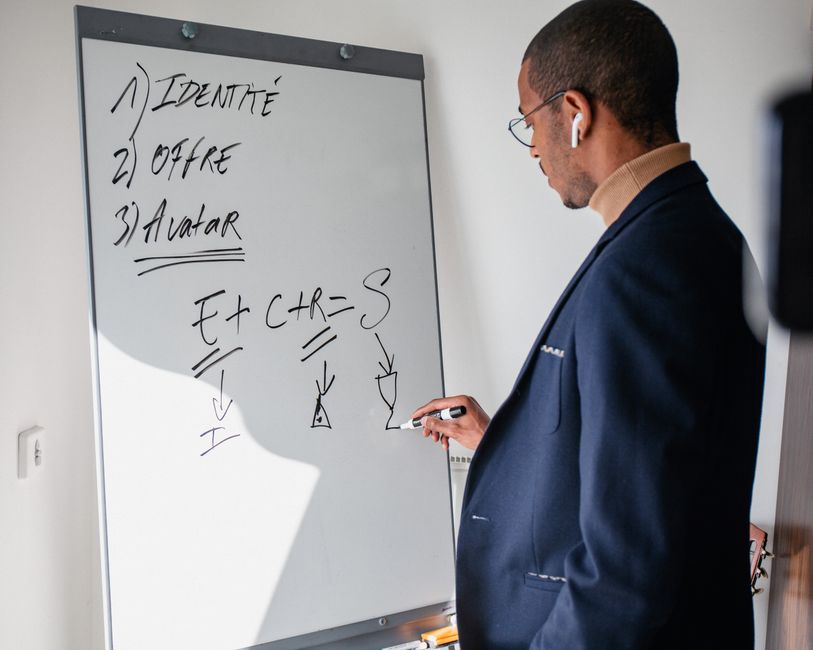
The modern workforce faces unprecedented change, with technological advancement and industry disruption requiring professionals to continuously adapt and evolve. Career transition education addresses this reality by providing structured learning pathways that help individuals identify transferable skills, develop new competencies, and position themselves effectively in emerging markets.
Digital education platforms have revolutionized how we approach career transitions, offering flexible, self-paced learning opportunities that accommodate busy professional schedules. This accessibility has democratized career development, enabling individuals from all backgrounds to pursue meaningful career changes without sacrificing current employment or financial stability.
Key Components of Effective Career Transition Programs
Successful career transition education encompasses several critical components that work together to facilitate meaningful professional change. Skills assessment and gap analysis form the foundation, helping individuals understand their current capabilities and identify areas for development. This process involves comprehensive evaluation of technical skills, soft skills, and industry-specific knowledge.

Industry research and market analysis constitute another vital element, providing learners with insights into target industries, emerging trends, and future job prospects. This knowledge enables informed decision-making and strategic career planning. Professional development programs should include modules on industry networking, company culture analysis, and competitive landscape understanding.
Practical application opportunities distinguish effective transition education from theoretical learning. These include project-based assignments, case studies, simulation exercises, and portfolio development activities that demonstrate real-world competency. Many programs now incorporate virtual internships, mentorship matching, and peer collaboration projects to enhance practical learning experiences.
“The most successful career transitions happen when individuals combine strategic planning with continuous learning and practical skill development.”
Designing Your Personal Career Transition Learning Path
Creating an effective personal learning path requires careful consideration of your current position, desired outcomes, and available resources. Start by conducting a thorough self-assessment that examines your values, interests, strengths, and career aspirations. This foundation will guide all subsequent learning decisions and ensure alignment between educational investments and professional goals.

Timeline planning is crucial for maintaining momentum and achieving measurable progress. Break your transition into phases: exploration, preparation, implementation, and integration. Each phase should have specific learning objectives, milestones, and success metrics. Consider factors such as industry hiring cycles, certification requirements, and personal financial constraints when establishing your timeline.
Resource selection should balance quality, accessibility, and cost-effectiveness. Digital learning platforms offer unprecedented flexibility, allowing you to combine downloadable resources, online courses, virtual workshops, and interactive assessments. Look for programs that provide comprehensive support materials, including templates, checklists, action plans, and progress tracking tools.
- Identify transferable skills from your current role
- Research target industry requirements and expectations
- Select appropriate learning modalities and resources
- Establish realistic timelines and milestones
- Build a support network of mentors and peers
- Create accountability measures and progress tracking systems
Digital Resources and Self-Paced Learning Solutions
The digital learning landscape offers an abundance of resources specifically designed for career transition education. Self-paced online courses provide flexibility for working professionals, allowing learning to occur alongside current employment responsibilities. These programs typically include video lectures, interactive exercises, downloadable worksheets, and assessment tools that accommodate different learning styles.
PDF-based learning materials have gained popularity due to their accessibility and convenience. These resources often include comprehensive guides, workbooks, templates, and checklists that learners can access offline and reference repeatedly throughout their transition journey. The format allows for easy note-taking, printing, and sharing with mentors or career counselors.
Mobile learning applications and platforms have transformed how professionals access career development content. These tools enable micro-learning sessions that fit into busy schedules, providing bite-sized lessons, quick assessments, and progress tracking capabilities. Many platforms now offer AI-powered personalization that adapts content delivery based on individual learning patterns and preferences.
According to McKinsey research, professionals who engage in continuous learning through digital platforms are significantly more successful in career transitions compared to those relying solely on traditional methods.
Overcoming Common Career Transition Challenges
Career transitions inevitably present challenges that can derail progress without proper preparation and support. Imposter syndrome frequently affects individuals entering new fields, creating self-doubt and hesitation. Combat this through structured skill-building activities, networking with others who have made similar transitions, and maintaining detailed records of your achievements and progress.
Financial concerns often limit career transition options, particularly when considering education investments or potential income gaps. Address these challenges through careful financial planning, exploring employer-sponsored training programs, and leveraging free or low-cost digital learning resources. Many professionals successfully transition by gradually building skills while maintaining current employment.
Networking and relationship building present significant hurdles for many career changers. Effective transition education should include modules on professional networking strategies, personal branding, and relationship management. Digital platforms now offer numerous opportunities for virtual networking, industry group participation, and mentor connections that transcend geographical limitations.
- Develop a clear value proposition for your target role
- Build confidence through incremental skill development
- Create financial safety nets and transition budgets
- Establish strong professional networks in target industries
- Practice storytelling and interview skills specific to career changes
Measuring Success and Continuous Professional Development
Successful career transition education extends beyond landing a new position to include long-term professional development and adaptability. Establish clear metrics for measuring transition success, including skill acquisition benchmarks, networking milestones, interview performance indicators, and ultimately, job placement outcomes.
Portfolio development serves as both a learning tool and a demonstration of capabilities to potential employers. Create comprehensive portfolios that showcase your transition journey, including before-and-after skill assessments, project examples, testimonials, and evidence of continuous learning commitment.
The LinkedIn Workplace Learning Report emphasizes that successful professionals view career transition education as an ongoing process rather than a one-time event. Develop systems for continuous learning that will support ongoing career advancement and adaptability in your new field.
Feedback collection and analysis should be integrated throughout your transition process. Seek input from mentors, peers, instructors, and potential employers to identify areas for improvement and validate your progress. This feedback loop ensures that your learning efforts remain aligned with market demands and employer expectations.
Conclusion
Career transition education has become an essential component of modern professional development, offering structured pathways for individuals seeking meaningful career changes. The digital learning landscape provides unprecedented access to high-quality, flexible educational resources that accommodate the needs of working professionals while delivering practical, immediately applicable skills.
Success in career transitions requires a strategic approach that combines self-assessment, targeted learning, practical application, and continuous adaptation. By leveraging digital resources, building strong support networks, and maintaining commitment to ongoing professional development, individuals can navigate career changes with confidence and achieve their professional aspirations.
The investment in career transition education pays dividends throughout your professional life, providing not only the skills needed for immediate career changes but also the adaptability and learning frameworks necessary for long-term career resilience in an ever-evolving job market.